Consultations
Consultations
At Struggletown Veterinary Hospital, we provide professional veterinary consultations for a wide range of health concerns and for pets at every stage of life.
Most consultations are scheduled for 20–30 minutes, giving our veterinarians time to listen to your concerns, take a thorough history and perform a comprehensive physical examination of your pet — not simply focus on the problem that brought you in.
What happens during a consultation?
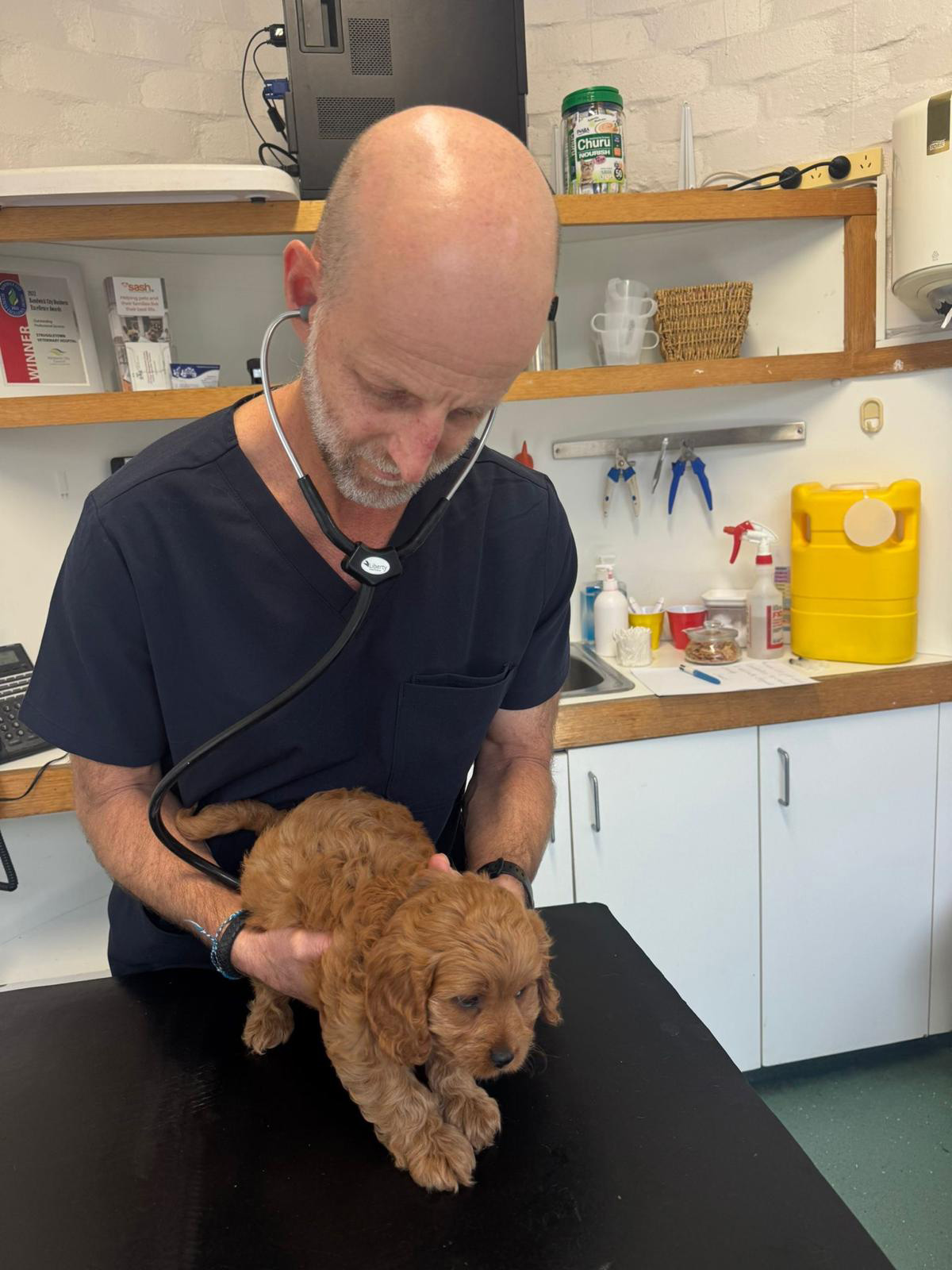
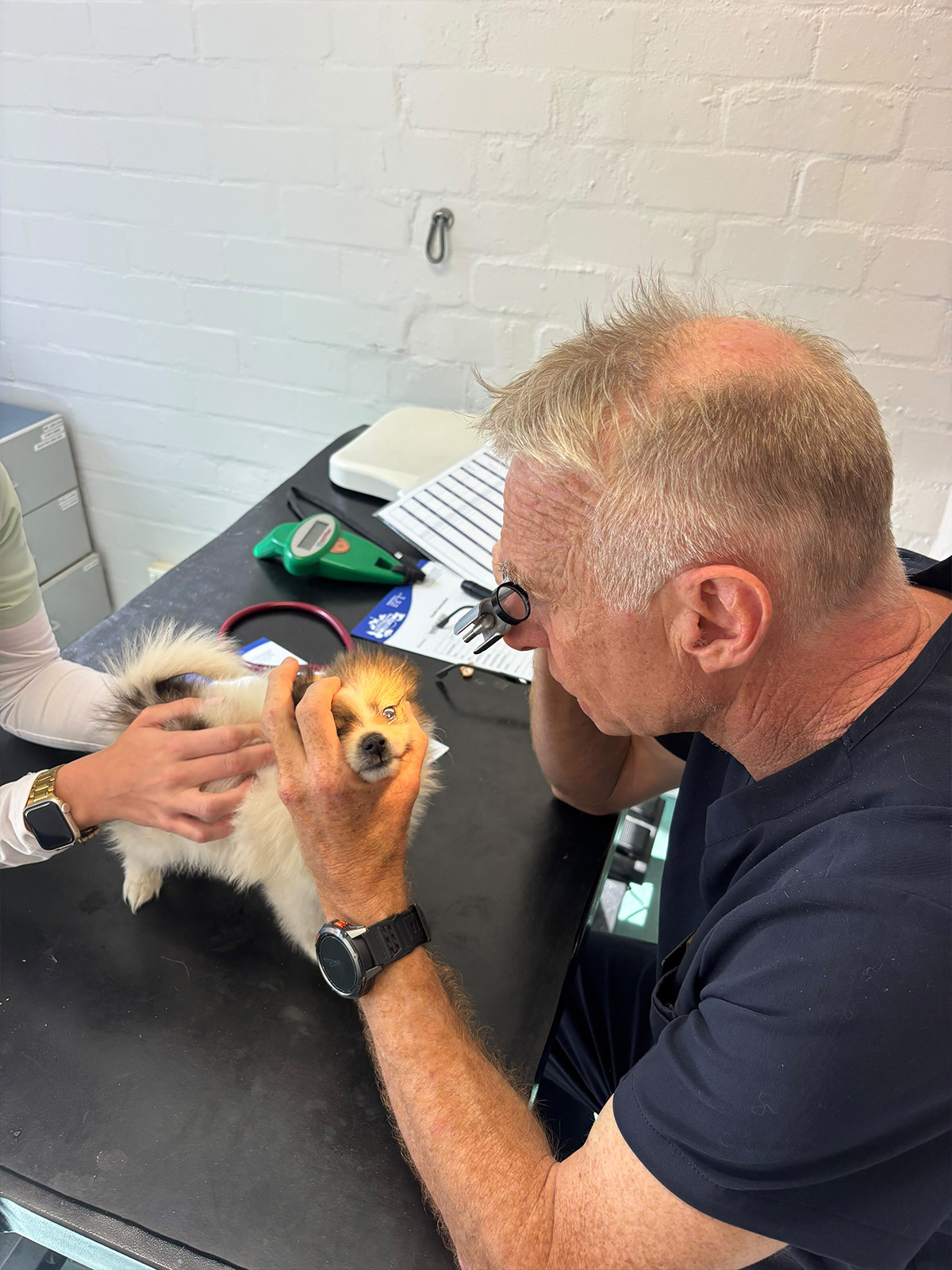
A physical examination allows us to assess your pet as a whole. At Struggletown, every visit involves a thorough and complete assessment of your pet including:
- Weight and body condition
- Teeth, mouth and gums
- Skin and coat
- Ears and eyes
- Heart and lungs
- Abdomen
- Muscles and joints
- Lymph nodes
- Any lumps, bumps or other changes you may have noticed
We will also discuss any concerns you have noticed at home, such as changes in appetite, drinking, behaviour, mobility, toileting or general wellbeing.
Where appropriate, your veterinarian will discuss whether further investigation, treatment or monitoring is recommended.
Preventative healthcare
Veterinary care isn’t only about treating illness when something goes wrong. Regular health examinations give us an opportunity to identify potential problems early and help keep your pet healthy throughout their life.
Preventative healthcare may include vaccinations, parasite prevention, dental care, nutrition and weight management, as well as age-appropriate screening tests.
Regular examinations also help us establish what is normal for your individual pet. Subtle changes in weight, heart sounds, teeth, joints, skin or other areas can sometimes be identified during a routine examination before they develop into more obvious problems.
Care throughout every stage of life
Your pet’s healthcare needs change as they get older.
Puppies and kittens may require advice on vaccination, parasite prevention, nutrition, growth, behaviour, socialisation and desexing.
Adult pets benefit from regular health checks aimed at maintaining good health, managing weight, monitoring dental health and detecting developing problems early.
Senior pets often require closer monitoring as age-related conditions become more common. Struggletown recommends 6 monthly examinations once you pet is over the age of 7, and we may also recommend additional screening, such as blood or urine testing, depending on your pet’s age, breed and individual health. This is because a thorough physical exam tells us quite a lot about your pet, but cannot tell us about your pets internal health, and so wellness screening allows us to detect problems early and keep your pet’s healthier for longer.
Our aim is to work with you throughout your pet’s life — helping to prevent problems where possible, identify changes early and provide the best care we can when illness or injury occurs.
Appointments
Consultations are available:
Monday–Friday: 8:00am – 8:30pm
Saturday: 9:00am – 4:30pm
Sunday: 9:00am – 12:30pm
We work primarily on an appointment basis to help keep waiting times to a minimum. We will always do our best to accommodate walk-in consultations and, of course, urgent cases and emergencies wherever possible.
Frequently Asked Questions
Leave Blank
Leave the first accordion blank for a Divi glitch
How often should my dog have a health check?
For most healthy adult dogs, we recommend a comprehensive veterinary health check at least once a year. Dogs age considerably faster than we do, and regular examinations give us the opportunity to identify subtle changes before they become obvious problems. Puppies, senior dogs and dogs with ongoing medical conditions may need to be seen more frequently.
Our dogs are considered senior citizens from the age of 7, so from this age onwards 6 monthly health checks are recommended.
How often should my cat see a vet if they seem healthy?
Even apparently healthy cats should have a veterinary health check at least once a year. Cats are particularly good at hiding signs of pain and illness, so problems such as dental disease, weight loss, arthritis or early kidney disease may develop before owners notice anything is wrong.
Our cats are considered senior citizens after from the age of 8, so from this age onwards 6 monthly health checks are recommended.
What does a vet check during an annual health examination?
At Struggletown, your veterinarian performs a thorough nose-to-tail examination. This includes assessing your pet’s weight and body condition, teeth and gums, eyes, ears, skin and coat, heart and lungs, abdomen, muscles and joints, as well as discussing any changes in appetite, drinking, toileting, behaviour or activity.
We also use the consultation to review your pet’s nutrition, dental health, vaccination requirements, parasite prevention and any screening tests that may be appropriate for their age and lifestyle.
Does my senior pet need more frequent health checks?
Usually, yes. For most senior dogs and cats, we recommend a health examination every six months, although this may vary depending on your pet’s age, breed and medical history.
Conditions such as arthritis, dental disease, kidney disease, heart disease, hormonal disorders and high blood pressure become more common with age and can initially cause very subtle signs.
Your veterinarian may also recommend periodic blood tests, urine tests or blood pressure measurements to help detect problems earlier (just like in human medicine), as early detection leads to earlier intervention, and better management of your pet’s health.
What preventative care does my pet need each year?
Preventative care should be tailored to each individual pet, but typically includes a regular health examination, review of vaccinations and parasite prevention, dental assessment, weight and nutritional advice, and discussion of any changes in behaviour, mobility or lifestyle.
Depending on your pet’s age and individual risk factors, we may also recommend preventative dental treatment or screening tests such as blood tests, urine tests or blood pressure measurement. Not every vaccination needs to be given every year, so your veterinarian will recommend an appropriate schedule for your individual pet.
Should I take my pet to the vet even if nothing seems wrong?
Yes. Regular health examinations are just as important for apparently healthy pets as they are for animals that are unwell. Many conditions develop gradually and may not cause obvious symptoms in their early stages. This is even more important in our furry friends because they cannot talk to us to let us know how they are feeling.
Regular checks allow us to monitor changes in weight, teeth, heart, joints, skin and other body systems over time, while also keeping preventative healthcare up to date. Finding a problem early will often give us more options to treat or manage it and help keep your pet healthy and comfortable for longer.
Get In Touch!
Address:
148 Barker St,
Randwick NSW 2031
Hours:
Mon to Fri: 7:30am - 9:00pm
Sat: 9:00am - 5:00pm
Sun: 9:00am - 1:00pm
Providing Quality Vet Care Near:
Randwick, Coogee, Kingsford, Daceyville, Kensington, Bronte, Waverley, Queens Park, East Gardens, Pagewood, Hillsdale, Maroubra.